Unleashing the Eerie Elegance of Fakeblood: A Versatile Horror Font
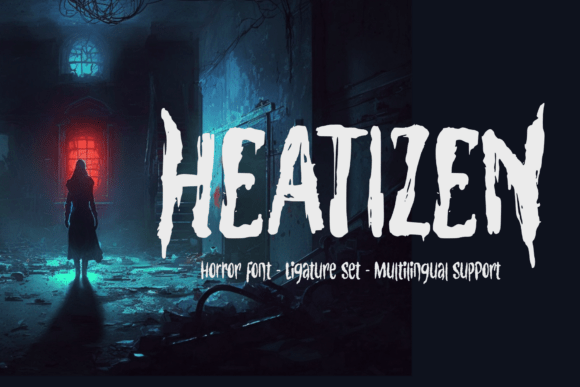
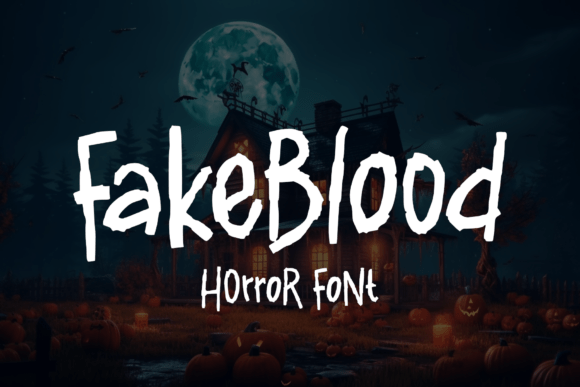
Fakeblood is an intriguing horror font that stands out with its unique characteristics, making it an exceptional choice for designs that require a touch of the macabre. This font combines simplicity with a random, rough texture, creating a mysterious and captivating impression. Whether you're designing for a Halloween party, a horror-themed event, or a project that needs a subtle yet effective horror touch, Fakeblood is your go-to solution.
The Perfect Blend of Simplicity and Spookiness
What sets Fakeblood apart is its ability to balance simplicity with a rough, almost hand-drawn texture. This combination creates a design that is both visually striking and easy to read, even in smaller sizes. The font's random elements add a layer of unpredictability, making each design feel unique and authentic.
Why Fakeblood is Gaining Popularity
In recent years, there has been a growing trend towards more personalized and niche-specific design elements. Fakeblood fits perfectly into this trend, offering designers a way to add a distinctive and memorable touch to their projects. Its versatility and ease of use make it a favorite among professionals and hobbyists alike.
Practical Applications and Creative Possibilities
Fakeblood is not just limited to traditional horror themes. Its versatile nature makes it suitable for a wide range of creative projects. Here are some practical applications:
- Halloween Invitations: Add a spooky yet elegant touch to your Halloween party invitations.
- Book Covers: Create eye-catching covers for horror, mystery, and thriller novels.
- Event Posters: Design posters for film festivals, movie screenings, and other themed events.
- Website Headers: Use Fakeblood for headers on websites that need a dark, mysterious vibe.
Technical Features and Accessibility
Fakeblood is available in OTF and TTF formats, making it compatible with a wide range of software. It includes standard glyphs, ligatures, and web font support, ensuring that your designs look great across different platforms. Additionally, the font supports a vast array of languages, including Afrikaans, Albanian, Asu, Basque, Bemba, Bena, Breton, Catalan, Chiga, Cornish, Danish, Dutch, English, Estonian, Faroese, Filipino, Finnish, French, Friulian, Galician, German, Gusii, Indonesian, Irish, Italian, Kabuverdianu, Kalenjin, Kinyarwanda, Luo, Luxembourgish, Luyia, Machame, Makhuwa, Meetto, Makonde, Malagasy, Manx, Morisyen, North Ndebele, Norwegian (Bokmål and Nynorsk), Nyankole, Oromo, Portuguese, Quechua, Romansh, Rombo, Rundi, Rwa, Samburu, Sango, Sangu, Scottish Gaelic, Sena, Shambala, Shona, Soga, Somali, Spanish, Swahili, Swedish, Swiss German, Taita, Teso, Uzbek (Latin), Volapük, Vunjo, and Zulu.
Accessible in popular design tools like Adobe Illustrator, Adobe Photoshop, and Adobe InDesign, Fakeblood also works seamlessly in Microsoft Word. The PUA encoded characters ensure that all features are fully accessible without the need for additional design software.
Integrating Fakeblood into Modern Workflows
As design workflows become more streamlined and technology-driven, fonts like Fakeblood offer a way to add a personal and creative touch. Whether you're a professional designer, a marketer, or a hobbyist, incorporating Fakeblood into your projects can help you stand out and create a lasting impression.
Conclusion: Embrace the Eerie Elegance
Fakeblood is more than just a font; it's a tool for creativity and expression. Its unique blend of simplicity and spookiness makes it an ideal choice for any project that requires a touch of the macabre. With its extensive language support and compatibility with various design tools, Fakeblood is a must-have for anyone looking to add a bit of eerie elegance to their designs.